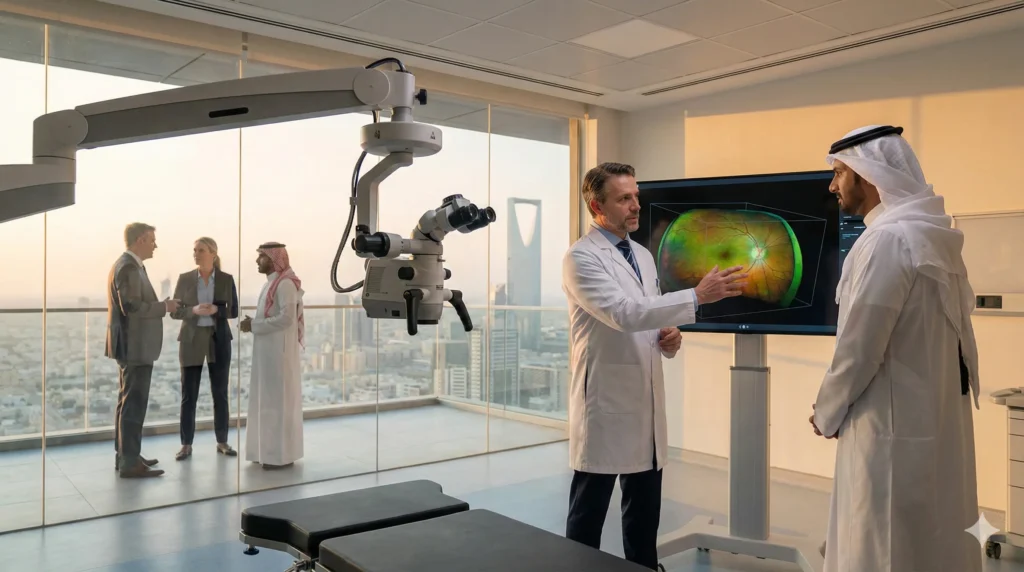

The metabolic health landscape in the Middle East is undergoing a paradigm shift, moving beyond traditional chronic disease management toward a model of optimized endocrine function. In 2026, Endocrinology Recruitment in the GCC is focused on securing Tier-1 Western-trained consultants who can address the region’s high prevalence of metabolic disorders while leading the charge in hormonal longevity. For elite private hospitals and Royal Households, the endocrinologist is no longer just a specialist; they are a vital strategist in the pursuit of lifelong vitality.
Tier-1 Standards in Endocrinology Recruitment in the GCC
The demand for clinical precision in metabolic care necessitates a strict adherence to Tier-1 training standards. When conducting Endocrinology Recruitment in the GCC, the search is prioritized for clinicians holding a CCT/CCST (UK), American Board (ABMS), or equivalent senior fellowships from Canada and Australia. These credentials provide the foundational trust required by UHNW families who demand the highest global benchmarks in evidence-based medicine.
As we have detailed in our briefing on The Value of CCT and CCST in GCC Recruitment, Western-trained consultants are uniquely equipped to manage complex endocrine cases within the region’s sophisticated private sector. This is particularly relevant in the management of Type 1 and Type 2 diabetes, where the integration of advanced technology—such as closed-loop insulin delivery systems and AI-driven glucose monitoring—is now the standard of care in elite settings.
Metabolic Longevity and Royal Household Care
A significant driver of Endocrinology Recruitment in the GCC is the burgeoning interest in hormonal optimization as part of a broader longevity strategy. For a Private Physician for Royal Households, the endocrinologist serves as a key partner in managing the “metabolic healthspan” of the principal. This often involves:
-
Bioidentical Hormone Replacement Therapy (BHRT): Tailored protocols for thyroid, adrenal, and reproductive hormonal balance.
-
Precision Weight Management: Utilizing the latest GLP-1 and dual-agonist therapies within a supervised clinical framework.
-
Bone Health Optimization: Advanced management of osteoporosis and metabolic bone disease.
This proactive approach is a cornerstone of Executive Wellness and Longevity in the GCC, where the goal is to prevent metabolic decline before it impacts performance or quality of life.
Regulatory Frameworks: DHA, MOHAP, and SCFHS
Licensing for endocrinologists in the Middle East requires a meticulous navigation of national health authorities. Whether practicing in the UAE under the Dubai Health Authority (DHA) or the Ministry of Health and Prevention (MOHAP), consultants must undergo rigorous primary source verification. This verification, managed by the DataFlow Group, ensures that every qualification and specialist registration is authenticated at the source.
In the Kingdom of Saudi Arabia, the process is equally stringent. Our guide on Saudi Medical Licensing for Consultants highlights the importance of matching Western specialist training with the correct SCFHS classification. For endocrinologists, ensuring that sub-specialty expertise—such as reproductive endocrinology or pediatric diabetes—is correctly recognized is vital for securing senior clinical roles in Riyadh’s top private clinics.
The Gender Dimension in Endocrine Care
The demand for female specialists in this field is particularly high. Many UHNW female principals prefer to manage their metabolic and hormonal health with a female consultant who understands the unique nuances of endocrine transitions. Consequently, the recruitment of Female Western Trained Consultants in the GCC has become a strategic priority for family offices looking to provide comprehensive, culturally sensitive care within the private estate.
Technological Integration and the Future of Diabetes Care
The GCC’s private sector is currently at the forefront of digital health adoption. Endocrinology recruitment is increasingly targeting consultants who are “tech-native,” capable of managing patient populations through remote monitoring and data-driven insights. In 2026, the ability to interpret complex metabolic datasets is as valuable as clinical diagnostic skill.
By aligning local practice with the standards of the General Medical Council (GMC) and the American Association of Clinical Endocrinology (AACE), Western-trained consultants are elevating the regional benchmark for metabolic care. This international alignment is critical for maintaining the confidence of a globalized UHNW patient base that expects seamless care between the GCC and Western medical hubs.
Conclusion: Securing Metabolic Excellence
Endocrinology Recruitment in the GCC is a specialized endeavor that requires a deep understanding of both clinical standards and regional cultural dynamics. As the Kingdom of Saudi Arabia and the UAE continue to invest in the future of healthcare, the role of the Western-trained endocrinologist will only grow in importance.
By identifying and placing the top 1% of metabolic specialists, we ensure that the region’s most prominent families have access to the absolute pinnacle of hormonal health and longevity medicine. For the consultant, these roles offer a unique opportunity to shape the metabolic future of a dynamic and high-resource region.
Contact David for a confidential discussion on securing your next elite hire or role.