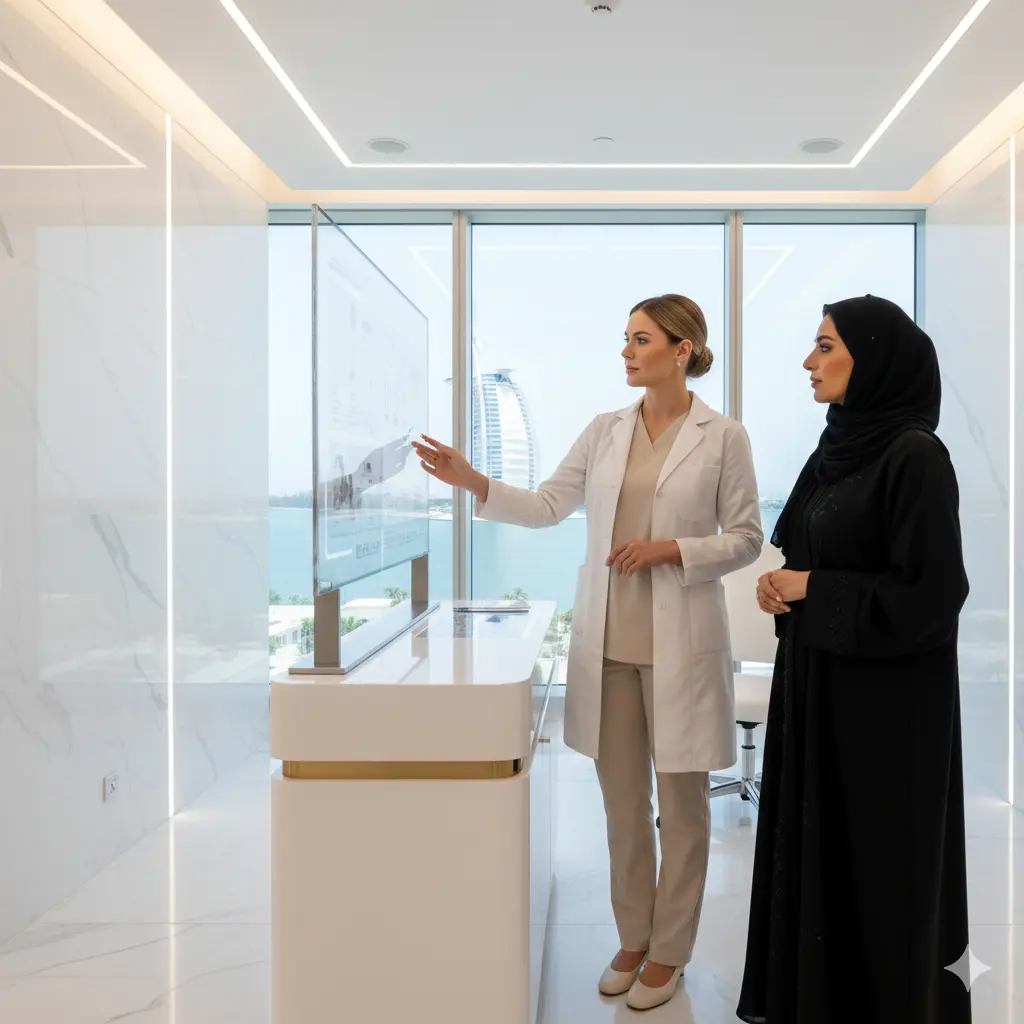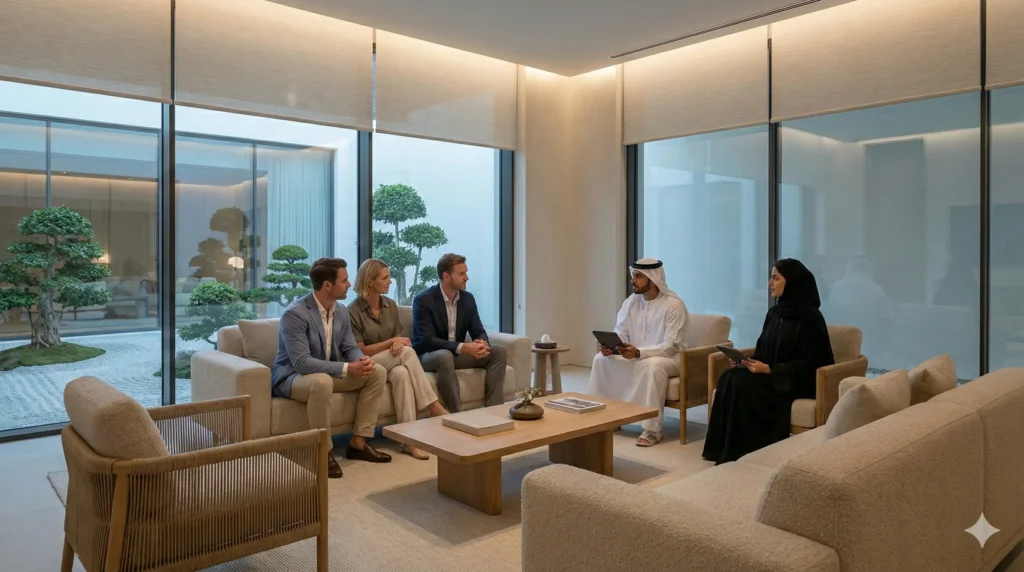
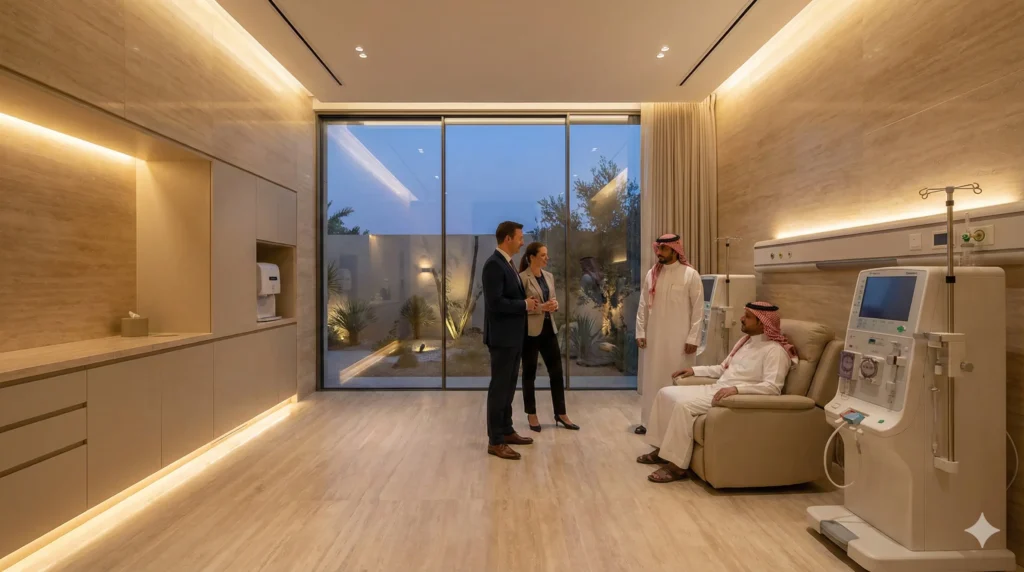
The management of renal health in the Middle East has advanced significantly beyond institutionalized care. In 2026, Nephrology Recruitment in the GCC is increasingly defined by the integration of chronic kidney disease (CKD) management into the broader framework of executive longevity and concierge medicine. For Royal Households and ultra-high-net-worth (UHNW) families in Riyadh and Dubai, the acquisition of Tier-1 Western-trained nephrologists is a strategic necessity to ensure clinical continuity and absolute privacy in the management of complex metabolic conditions.
Strategic Demand for Tier-1 Nephrology Talent
In the elite private sector, the clinical pedigree of a consultant is the primary metric of quality. When executing Nephrology Recruitment in the GCC, the mandate is strictly focused on specialists holding the CCT/CCST (UK), American Board (ABMS), or equivalent senior fellowships from Canada and Australia. These Tier-1 credentials provide the foundational assurance required for managing the multi-systemic complexities of renal failure and electrolyte imbalances.
The preference for Tier-1 training is driven by the rigorous standards of international bodies such as the International Society of Nephrology (ISN). For elite facilities, these certifications serve as a guarantee of clinical safety and mastery of the latest evidence-based protocols. This emphasis on prestige mirrors the trends we have documented in our analysis of Endocrinology Recruitment in the GCC: Metabolic Excellence, where the synergy between renal and metabolic health is paramount.
Home-Based Dialysis and Concierge Renal Care
A transformative trend in 2026 is the shift toward “at-home” clinical infrastructure. For the GCC elite, the logistical burden of hospital-based dialysis is being replaced by sophisticated home-based systems managed by private clinical teams. Nephrology Recruitment in the GCC is now targeting consultants who can oversee the implementation of:
-
Home Hemodialysis (HHD): Utilizing compact, high-tech systems within the private estate.
-
Peritoneal Dialysis (PD): Managing nocturnal protocols with 24/7 remote monitoring.
-
Renal Longevity Protocols: Implementing precision nutrition and pharmacological interventions to delay the progression of CKD.
This concierge model requires a Private Physician for Royal Households who can act as a clinical architect, coordinating with specialized renal nurses and nutritionists to provide a 360-degree health ecosystem. This high-touch approach ensures that the principal maintains their lifestyle and professional commitments while receiving world-class treatment.
Regulatory Pathways: SCFHS, DHA, and DataFlow
Navigating the regulatory frameworks of the Gulf requires a meticulous approach to credentialing. Every candidate must satisfy the requirements of the DataFlow Group for primary source verification. This ensures that every fellowship, specialty certificate, and letter of good standing from the General Medical Council (GMC) is authenticated at the source.
In the Kingdom of Saudi Arabia, the licensing process is governed by the Saudi Commission for Health Specialties (SCFHS). For senior specialists, achieving “Consultant” status is vital for securing full clinical and research privileges. Our guide on Saudi Medical Licensing for Consultants: A Strategic Guide highlights the importance of matching Western specialist training with the correct SCFHS classification to allow for full autonomy in the Kingdom’s private clinics.
Clinical Governance in Elite Private Practice
The implementation of Western clinical governance standards is non-negotiable in the GCC’s top-tier private hospitals. Nephrologists are expected to lead with a “safety-first” mindset, ensuring that every intervention is legally and ethically defensible under international standards. This leadership quality is what defines the 1% of physicians who are successfully headhunted for Royal settings.
The ability to collaborate with other Tier-1 specialists—such as those found in Family Medicine for UHNW Households in the GCC—is essential for maintaining a holistic view of the principal’s health. In the 2026 market, the most successful placements involve nephrologists who can navigate the intersection of renal health, cardiovascular stability, and metabolic optimization.
Conclusion: Defining the Future of Renal Excellence
Nephrology Recruitment in the GCC is a strategic endeavor that requires a blend of clinical vetting, regulatory mastery, and an understanding of the region’s unique cultural landscape. As Riyadh and Dubai continue to attract global investment and UHNW individuals, the demand for Tier-1 nephrologists will only intensify.
By identifying and placing the top 1% of Western-trained specialists, the region’s elite facilities are ensuring they remain at the absolute pinnacle of global medicine, providing a level of care that is both medically superior and personally tailored to the needs of the GCC’s most prominent families.
Contact David for a confidential discussion on securing your next elite hire or role.