
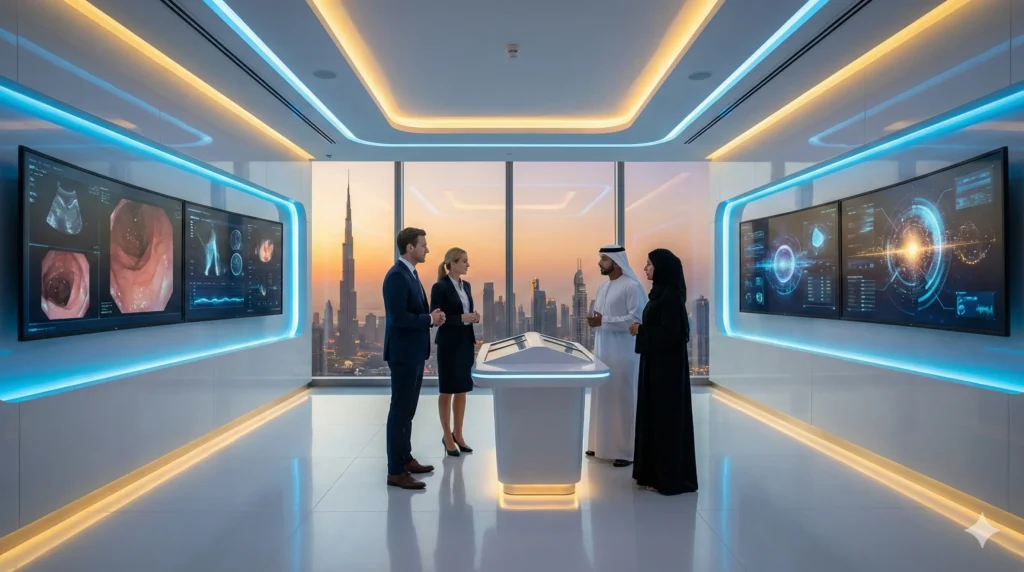
Gastroenterology and Hepatology Recruitment GCC: Sourcing Diagnostic Excellence
The strategic landscape for Gastroenterology and Hepatology recruitment in the GCC has entered a phase of hyper-specialization as we move through 2026. With the rise of specialized centers like the Asan GI Hospital in Dubai and advanced units in Riyadh and Muscat, the mandate for elite private hospitals and Royal medical offices is to secure Tier-1 Western-trained consultants. These leaders are required to drive the next generation of minimally invasive interventions and metabolic liver care.
Securing for these high-stakes roles requires an uncompromising focus on candidates holding CCT/CCST (UK), ABMS (USA), or equivalent fellowships from Canada, Australia, and Northern Europe. In the GCC’s premium healthcare market, the Gastroenterologist is the cornerstone of institutional trust and clinical innovation.
The Strategic Growth of Advanced Endoscopy and Endo-Hepatology
The current surge in Gastroenterology and Hepatology recruitment in the GCC is driven by the region’s commitment to building world-class “Centers of Excellence” for digestive diseases. Institutions are increasingly moving toward “Third Space Endoscopy,” including procedures like POEM (Peroral Endoscopic Myotomy) and ESD (Endoscopic Submucosal Dissection). This has created an intense demand for sub-specialized experts who are proficient in the latest AI-assisted diagnostic platforms.
For private healthcare providers, the rise of “Endo-hepatology”—the use of EUS (Endoscopic Ultrasound) for liver biopsy and portal hypertension management—is a major trend. This shift toward high-precision, minimally invasive liver assessment is a key driver in our Medical Director Recruitment GCC: Strategic Clinical Leadership strategies. By integrating these advanced modalities, institutions can offer comprehensive care that mirrors the standards of the world’s leading digestive health centers.
Navigating Regulatory Standards: SCFHS, DHA, and DataFlow
A central pillar of successful Gastroenterology and Hepatology recruitment in the GCC is ensuring seamless compliance with local health authorities. Whether the placement is under the DHA (Dubai Health Authority) in the UAE or the SCFHS (Saudi Commission for Health Specialties) in Riyadh, the licensing process for GI specialists is exceptionally rigorous. Consultants must demonstrate a proven track record of clinical outcomes and often require a comprehensive logbook of advanced procedures for classification at the “Consultant” or “Senior Consultant” tier.
Crucially, every candidate must undergo primary source verification through the DataFlow Group. This ensures that every academic degree, medical license, and specialized fellowship is verified directly at the source. This regulatory rigor is essential for maintaining the clinical integrity of the region’s most prestigious institutions. For a detailed roadmap of the KSA requirements, see our guide on Medical Licensing in Saudi Arabia: A Tier-1 Guide.
Sourcing Clinical Leaders for Metabolic Liver Disease (MASH)
The recruitment of specialized Hepatologists is now heavily focused on the management of Metabolic Dysfunction-Associated Steatotic Liver Disease (MASLD), formerly known as NAFLD. In 2026, the arrival of new therapeutic options, including GLP-1 and GIP receptor agonists, has transformed the clinical pathway for MASH. Royal households and elite family offices are seeking consultants who can lead integrated longevity and metabolic health programs.
Our headhunting methodology targets passive candidates—Tier-1 consultants who are often already in senior leadership positions at prestigious liver centers. This approach is further mirrored in our strategies for Endocrinology and Diabetes Recruitment GCC: Elite Sourcing. By identifying clinicians who possess both the required technical skills and the diplomatic acumen for royal service, we ensure long-term placement stability in these high-stakes roles.
The Integration of AI and Robotic Endoscopy
In 2026, Gastroenterology and Hepatology recruitment in the GCC is inextricably linked with the latest advancements in digital health. Elite consultants are now expected to be experts in utilizing AI-driven diagnostic tools to enhance adenoma detection rates and reduce the risk of missed lesions. Furthermore, emerging robotic endoscopy platforms promise to enhance precision and control during complex biliary and pancreatic procedures.
Institutions that prioritize these innovative service lines are consistently more successful in attracting the top 5% of global practitioners. These clinicians expect to work in environments that mirror the clinical governance of the GMC (General Medical Council) while having access to the capital-intensive technology that defines the GCC’s private healthcare market. This synergy is further explored in our analysis of Executive Health and Preventative Medicine Recruitment GCC.
Conclusion: The Future of Digestive Health Leadership
As the region moves toward the completion of the initial phases of its national visions, the focus on specialized GI and liver care will only intensify. This ensures that the demand for sophisticated Gastroenterology and Hepatology recruitment in the GCC will remain a long-term trend. The expansion of specialized hospitals and the rise of personalized gut microbiome mapping will require a new generation of adaptable, Tier-1 consultants.
By maintaining a strict adherence to Tier-1 and Tier-2 Western standards, the region is positioning itself as a world-class destination for both practitioners and patients. The commitment to clinical excellence ensures that the GCC remains at the apex of the global healthcare economy. For further regulatory updates, institutional boards and candidates should refer to the MOHAP (Ministry of Health and Prevention) website.
Contact David for a confidential discussion on securing your next elite hire or role.