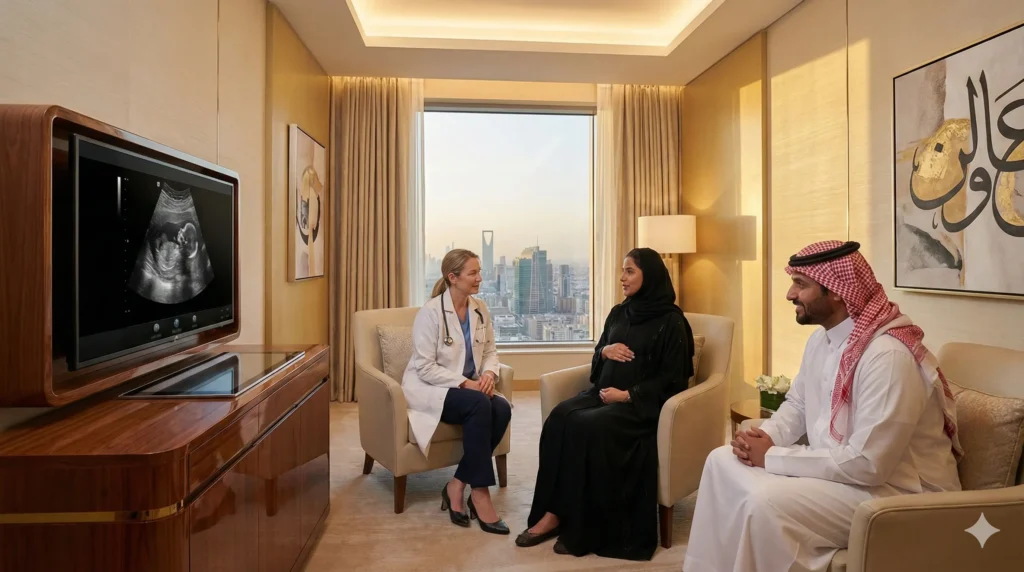
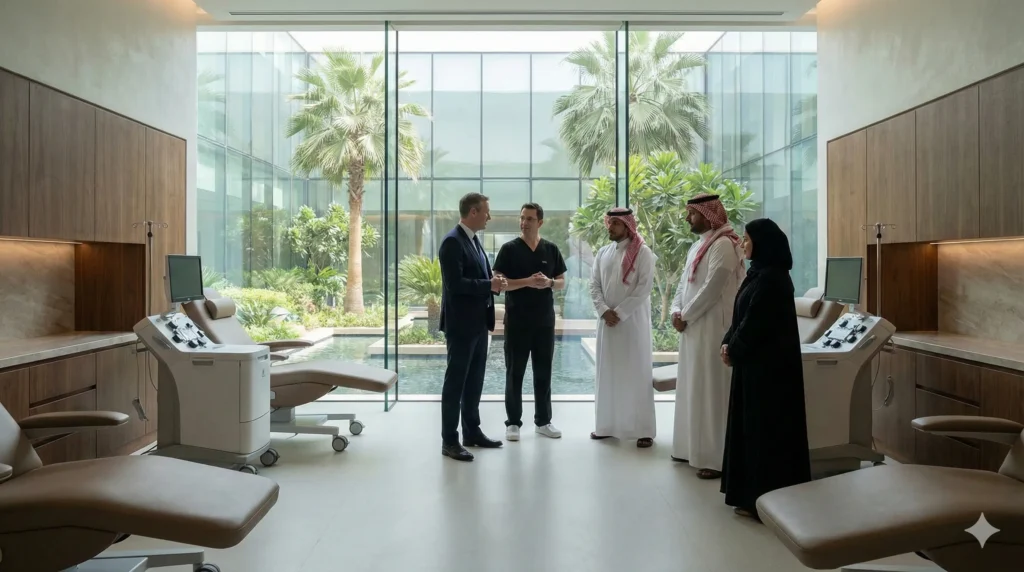
The landscape of cancer care in the Middle East is undergoing a radical transformation, moving toward hyper-specialized, personalized treatment models. In 2026, Oncology Recruitment in the GCC has become a high-priority mission for the region’s most prestigious private hospitals and government-backed “Giga-projects.”
As Saudi Arabia and the UAE invest billions into oncology infrastructure, the demand for Tier-1 Western-trained consultants who can lead precision medicine programs has reached an all-time high.
The Strategic Imperative of Tier-1 Oncology Expertise
In the elite medical sector, clinical outcomes in oncology are the ultimate measure of institutional prestige. Consequently, Oncology Recruitment in the GCC is focused almost exclusively on clinicians who have been forged in the world’s most rigorous training environments.
For ultra-high-net-worth (UHNW) facilities, this means headhunting consultants with CCT/CCST (UK), American Board (ABMS), or equivalent senior fellowships from Canada and Australia.
These credentials serve as an international guarantee of clinical safety and evidence-based practice. As we have detailed in our market analysis on The Value of CCT and CCST in GCC Recruitment, Western-trained consultants are preferred for their familiarity with multidisciplinary team (MDT) protocols and complex clinical governance.
This ensures that a private clinic in Riyadh or Dubai can offer the same standard of care as the General Medical Council (GMC) oversight provides in the UK.
Precision Medicine and Genomic Integration
A defining trend in 2026 is the integration of genomic data into routine oncological practice. The most successful examples of Oncology Recruitment in the GCC involve specialists who are “genomic-native”—clinicians capable of utilizing liquid biopsies and NGS (Next-Generation Sequencing) to tailor therapies to the individual’s biological profile.
For a Private Physician for Royal Households, the oncologist acts as a coordinator for global “Center of Excellence” consultations. They must be able to interface with researchers in Boston, London, and Zurich to bring the latest experimental protocols to the GCC. This high-touch, concierge approach to cancer care is what defines the elite market in the region today.
Navigating Regulatory Pathways: SCFHS and DHA
The administrative journey for an oncology consultant is demanding. Every candidate must satisfy the requirements of the DataFlow Group for primary source verification. This ensures that every surgical logbook, research paper, and specialty certificate is authenticated at the source before a license is issued.
In the Kingdom of Saudi Arabia, the licensing process is governed by the Saudi Commission for Health Specialties (SCFHS). For senior specialists, understanding the nuances of Saudi Medical Licensing for Consultants is essential to ensure they are classified correctly. This classification not only impacts salary benchmarks but also dictates the consultant’s ability to prescribe the latest immunotherapy agents within the private sector.
Royal Households and Private Cancer Care
Within the context of a Royal Household or a prominent family office, oncology care is delivered with an unparalleled level of discretion. The recruitment of a private oncologist often involves finding a clinician who can manage a patient’s journey within a private estate, coordinating with home-nursing teams and specialized nutritionists.
The “soft skills” required in this setting are as vital as clinical acumen. The consultant must possess the cultural intelligence to navigate the social protocols of the GCC elite while maintaining absolute clinical integrity. According to the American Society of Clinical Oncology (ASCO), the shift toward patient-centricity is a global trend, but in the GCC’s private sector, it is a non-negotiable standard of service.
Market Outlook: Riyadh and Dubai as Oncology Hubs
As we look toward the remainder of 2026, Riyadh is emerging as a primary hub for hematology-oncology recruitment, driven by the expansion of the King Faisal Specialist Hospital & Research Centre and several new luxury private facilities. Meanwhile, Dubai continues to attract Western consultants through its specialized healthcare free zones and the promise of a tax-free lifestyle.
The competition for Tier-1 talent is fierce. To attract the world’s leading oncologists, GCC institutions are offering comprehensive packages that include research funding, access to cutting-edge technology, and leadership roles in new oncology giga-projects. For the Western consultant, this represents a unique opportunity to shape the future of cancer care in one of the world’s most dynamic regions.
Conclusion: The Future of Elite Cancer Care
Oncology Recruitment in the GCC is a strategic endeavor that requires a blend of clinical vetting, regulatory mastery, and an understanding of the region’s unique cultural landscape. By identifying and placing the top 1% of Western-trained oncologists, the GCC is rapidly closing the gap with the world’s most established cancer centers.
For the clinician, these roles offer a platform for professional distinction and the chance to lead a new era of precision medicine in the heart of the Middle East.
Contact David for a confidential discussion on securing your next elite hire or role.